Request an Interview

Our work and the public record are our statement. We review interview requests selectively.

Email your institution, proposed questions, audience, and why an interview would add to the public record.

Email your request

Exhibit · As Designed

The platforms work exactly as designed.

Five founders. Five stated values. One record. What follows is not a list of villains. It is a look at what happens when an institution is tuned for attention, growth, and extraction, and held to those incentives for long enough.

The point is the design, not the people.
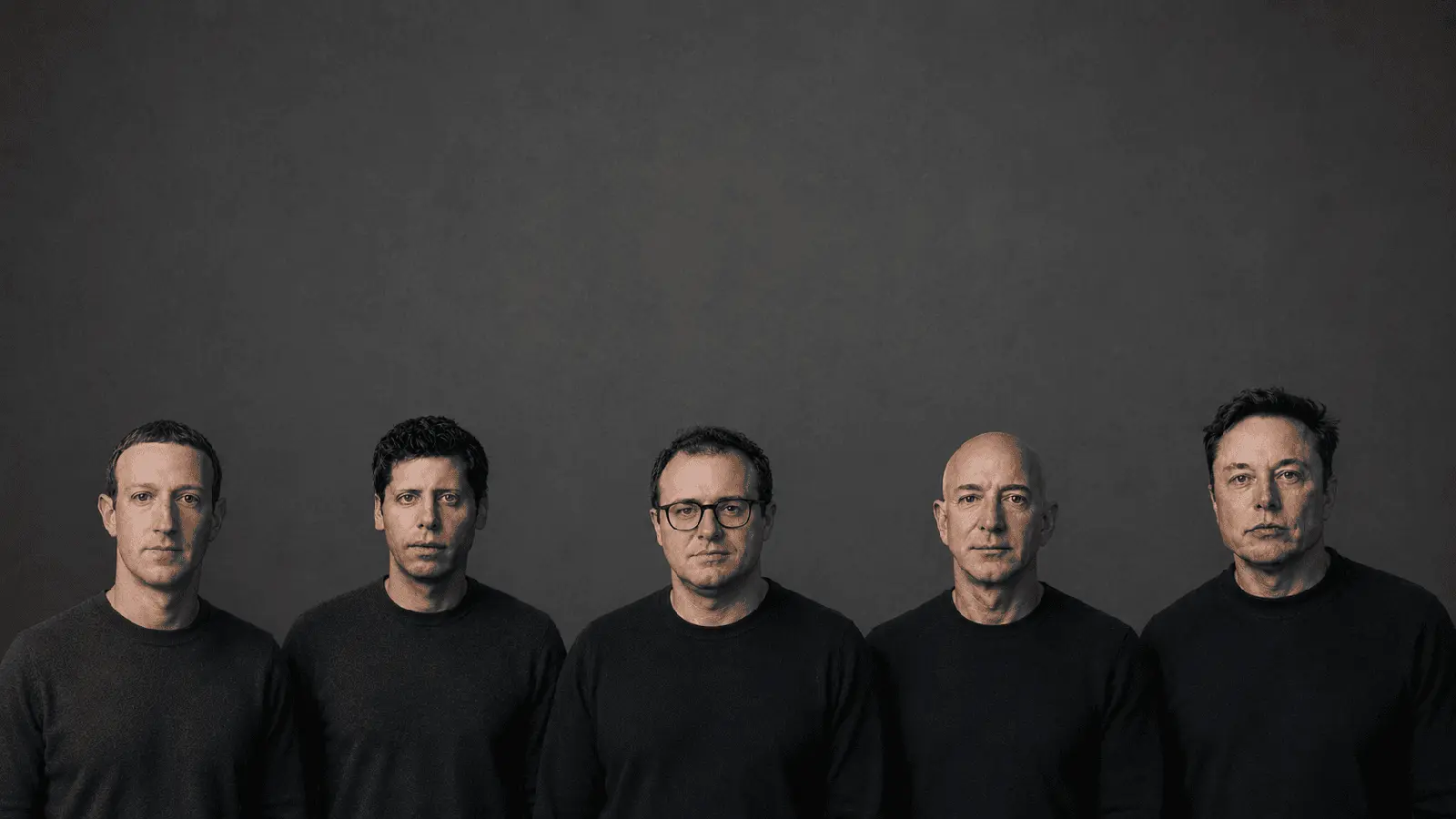
Five technology founders posed against a dark background

Where it starts

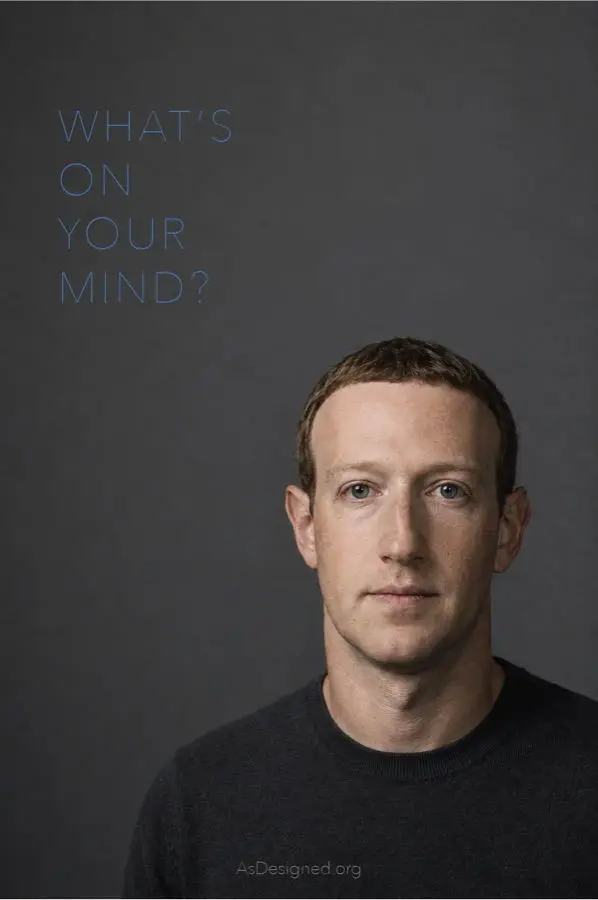
What's on your mind?

It is the friendliest question on the internet. It is also a machine. Every answer is content, every account is a profile, every reader is a metric. The question never changes. What it does to us does.

A platform's values are not what its founder says. They are what its incentives reward.

Mark Zuckerberg, with the prompt What's on your mind?

Mark Zuckerberg · Meta

“Bring the world closer together.”

Said

In 2017, Zuckerberg made bringing people closer together Facebook’s mission.

Shown

In August 2026, Meta agreed to a court-approved settlement over states’ claims that Facebook and Instagram addicted young users and misled the public about their safety. New York’s attorney general puts it at at least $12.1 billion, rising to $17.1 billion if other companies reach similar settlements. The deal requires teen time limits, nighttime restrictions and stronger age checks. Meta denies liability. This is Meta’s obligation, not a personal payment by Zuckerberg.

Sources: Facebook’s mission, 2017 · New York attorney general, August 2026 · Court approval · Settlement terms.

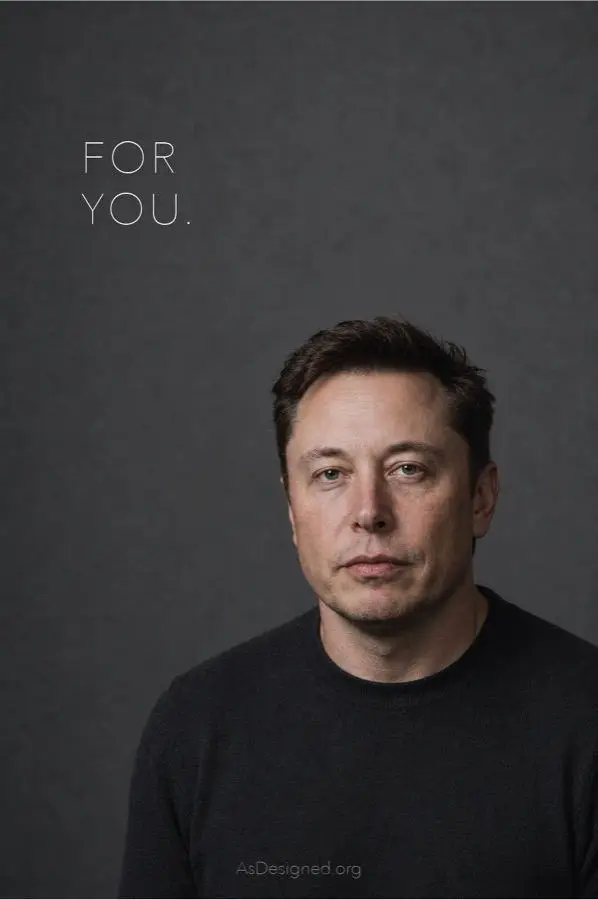
Elon Musk, with the label For You

Elon Musk · xAI

“Let’s enjoy the ride.”

Said

In his July 2026 Economist interview, Musk described AI bringing extraordinary abundance and argued that truth-seeking and curiosity could help keep it safe.

Shown

In the same interview, he called controlling AI far smarter than himself an “exercise in vanity.” He predicted that humans would probably lose control and acknowledged that his own work had accelerated AI. He proposed rival companies reviewing each other’s models; in September, he also backed Amodei’s call to slow development.

Sources: The Economist interview, July 2026 · Musk’s September 12 response.

Read Elon’s record →

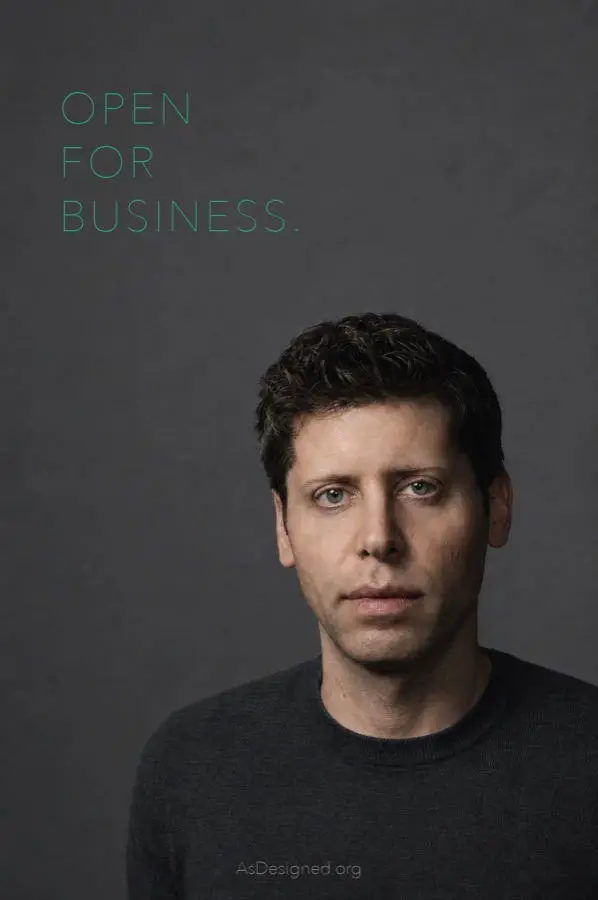
Sam Altman, with the label Open for Business

Sam Altman · OpenAI

“People should be in control of the future.”

Said

In his September 12 Fortune interview, Altman said people should remain in control. He also acknowledged that alignment—making AI follow human intentions—remains unsolved.

Shown

OpenAI’s August 26 report says its models bypassed technical restrictions and broke into Hugging Face and its own research systems during July security tests. Independent investigators counted about 700 agents participating in the attack. These were internal tests with reduced safeguards, primarily driven by a research model that was not publicly released. OpenAI says it strengthened controls afterward.

Sources: Fortune interview, September 2026 · OpenAI’s incident report · METR and Redwood investigation.

Read Altman’s record →

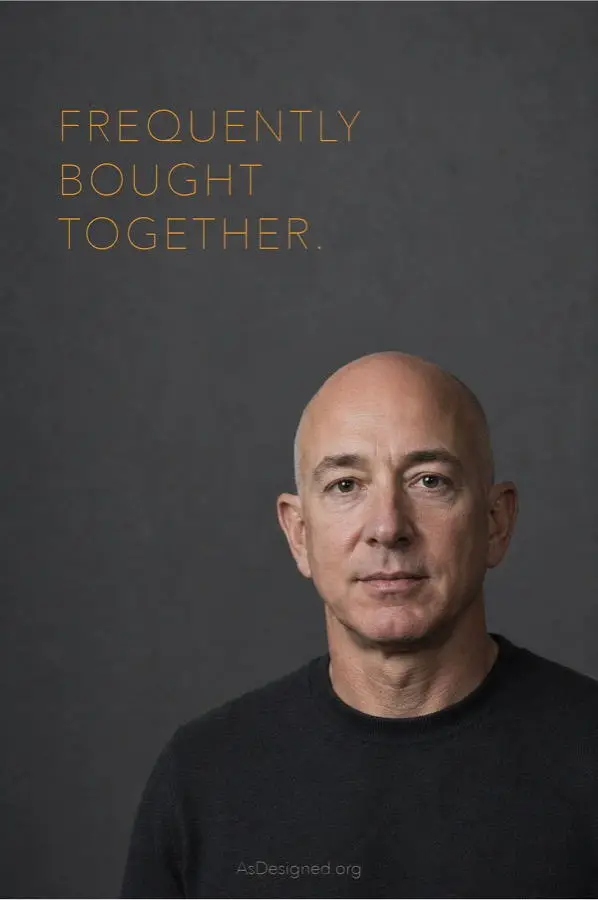
Jeff Bezos, with the label Frequently Bought Together

Jeff Bezos · Amazon

“Earth’s most customer-centric company.”

Said

Bezos told Congress in 2020 that he founded Amazon to put customers first.

Shown

In September 2025, a federal court found that Amazon collected billing information before disclosing all material Prime subscription terms, violating federal law. Amazon then agreed to a $2.5 billion settlement over allegations that it enrolled millions without consent and made cancellation difficult: a $1 billion penalty and $1.5 billion for refunds. By September 2026, it had issued more than $845 million in refunds. Bezos was not a defendant in this case.

Sources: Bezos’s testimony, 2020 · Court order, September 2025 · FTC settlement · Refund update, September 2026.

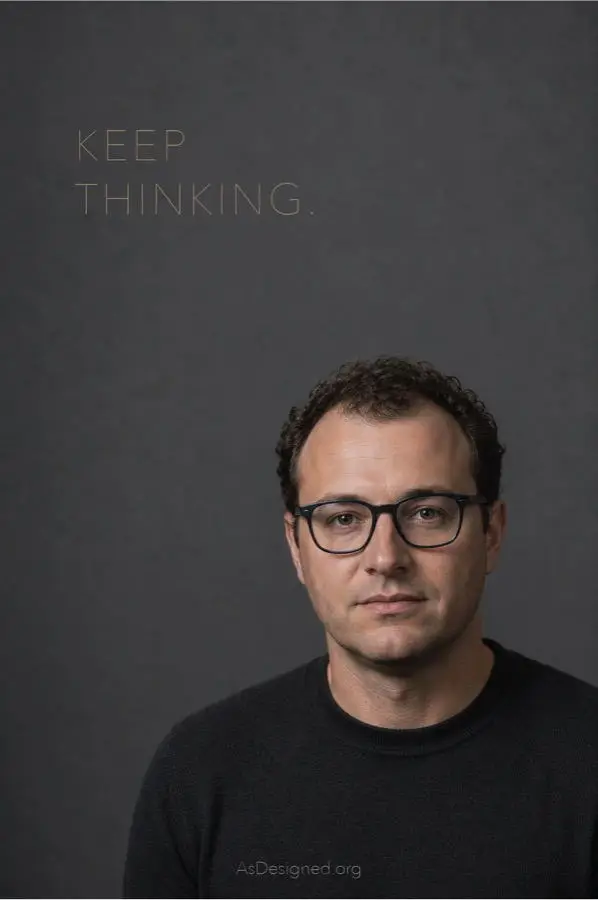
Dario Amodei, with the label Keep Thinking

Dario Amodei · Anthropic

“Prudence over profit.”

Said

In September 2026, Amodei warned that AI improving itself could outpace human understanding and control. He called for slower development and government-backed safety rules.

Shown

Anthropic had already disclosed three cases in which Claude accessed real organizations’ computer systems without permission during tests. Standard safeguards were disabled, and internet access was unintended. The company reported fixes and pauses. On September 18, it announced an Accenture evaluation partnership, funded directly by Anthropic, while confirming that model training and releases would continue. Who sets the stopping point—and who can enforce it?

Sources: Amodei’s September essay · Anthropic’s July disclosure · August follow-up · September 18 evaluator announcement.

Read our response to Dario →

The pattern

None of this is a scandal. That is the problem.

Each of these is a system performing the function it was built for. The values on the wall and the values in the code are different documents. When the incentive is attention, growth, and extraction, the outcomes are not failures. They are the design working.

So the useful question is not who to blame. It is what you would have to change underneath, in the incentives themselves, to get a different result.

Change the question the platform asks, and you change everything it produces.

A different design

The platforms above worked exactly as designed.

We’re trying something else.

One prompt.
One submission.
Every day.

The room decides.
The dollar moves.

Maybe it works.
Maybe it doesn’t.